

The International Monetary Fund (IMF) has recently approved a $1.2 billion bailout package for Pakistan, highlighting the country’s progress in both economic and climate reforms. While this financial support aims to stabilize Pakistan’s economy, it also carries significant implications for real estate investors and smart home buyers across the country. With rising interest in modern, sustainable housing, understanding the economic backdrop becomes crucial for anyone looking to invest in smart homes in Pakistan.
Pakistan’s Economic Landscape
Over the last few years, Pakistan has faced multiple economic challenges. From high inflation to growing fiscal deficits, the country’s financial stability has been under pressure. Add to that climate-related disruptions, including floods and heatwaves, and the economic situation becomes even more complex.
The IMF’s bailout comes at a strategic moment. It aims to strengthen the property market in Pakistan indirectly by ensuring liquidity, promoting investor confidence, and stabilizing the financial system.
Understanding the IMF Bailout
Package Size and Disbursement
The approved $1.2 billion will be released in phases, contingent on Pakistan’s adherence to economic reforms. This funding is part of a broader IMF-supported program designed to restore fiscal balance, stabilize the currency, and support structural economic reforms.
Economic and Climate Conditions
Unlike traditional bailouts, the IMF package emphasizes climate-conscious policies. Pakistan has pledged to implement reforms that not only stabilize the economy but also promote sustainable development. For real estate developers, this signals a growing focus on energy-efficient and eco-friendly smart homes.
How Economic Reforms Affect Real Estate
Boost in Investor Confidence
IMF approval often sends a strong signal to both local and international investors. With financial stability on the horizon, investors feel more confident putting money into long-term assets, including real estate. For those considering smart home investments, this is a promising indicator of potential growth.
Stabilization of Property Prices
Economic stabilization measures, such as controlling inflation and improving liquidity, can help curb sudden fluctuations in property prices. This means safer investment options for buyers looking to invest in high-end smart homes in Pakistan or upcoming residential projects.
Financing Opportunities
With IMF support, banks and financial institutions may have more flexibility to provide housing loans and financing options. This directly benefits buyers interested in smart, energy-efficient homes by reducing the financial barriers to entry.
Climate Reforms and Smart Homes
Renewable Energy Incentives
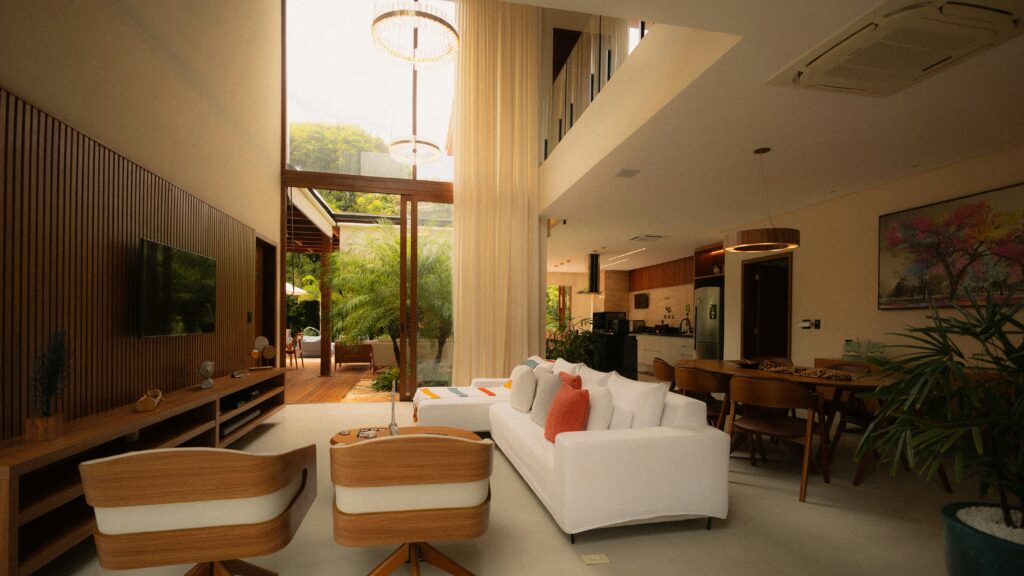
The IMF package encourages Pakistan to invest in renewable energy sources. Smart homes often integrate solar panels, energy-efficient appliances, and modern insulation techniques. This reform makes such investments even more attractive as homeowners can enjoy lower energy costs while contributing to a sustainable future.
Green Building Regulations
Pakistan is increasingly focusing on climate-resilient infrastructure. New construction policies and incentives for energy-efficient homes encourage developers to adopt smart technologies in housing. These measures align perfectly with the growing trend of smart homes by HCPL, which integrate automation, energy efficiency, and safety features.
Long-Term Environmental Impact
As climate reforms take root, the adoption of sustainable housing will likely accelerate. Smart homes, with features like solar power management, automated climate control, and energy monitoring systems, align directly with Pakistan’s climate agenda, making them a future-proof investment.
Opportunities for Real Estate Investors
Growth in Smart Home Projects
Developers such as HCPL Smart Homes are already positioning themselves to benefit from Pakistan’s evolving economic and environmental landscape. Modern smart home projects offer convenience, safety, and energy efficiency, making them highly appealing to both urban buyers and investors.
Increased Property Demand
As Pakistan’s economy stabilizes, urban populations are likely to invest in residential properties. Smart homes, offering automation and energy savings, are particularly attractive to tech-savvy buyers. Real estate investors can capitalize on this trend by acquiring properties in upcoming smart home communities.
Potential for Higher ROI
Investments in smart homes in Pakistan can offer better long-term returns due to their energy efficiency, lower maintenance costs, and modern amenities. As the economy grows and investors gain confidence, property values in such communities are likely to appreciate faster than traditional housing.
Challenges and Considerations
While the IMF bailout brings optimism, potential buyers and investors should remain aware of the challenges:
- Inflation and Cost of Materials: Construction costs may still be affected by inflation in the short term.
- Policy Implementation: The effectiveness of economic and climate reforms depends on consistent government action.
- Market Volatility: Real estate prices can still fluctuate in response to broader economic pressures.
Being informed and selective when investing in smart home projects will help mitigate these risks.
Why HCPL Smart Homes Are a Smart Choice
Modern Technology Integration
HCPL Smart Homes offer advanced features such as automated lighting, climate control, and security systems, ensuring convenience and efficiency.
Sustainable Living
By integrating solar energy solutions and efficient resource management, HCPL projects align with Pakistan’s climate goals. Buyers can enjoy a green, energy-efficient lifestyle.
Prime Locations
HCPL Smart Homes are strategically located in urban centers and growth corridors, providing easy access to business districts, schools, and commercial hubs. This adds both lifestyle value and investment potential for homeowners.
Conclusion
The IMF’s $1.2 billion approval for Pakistan is more than just financial support—it signals confidence in Pakistan’s economic reforms and climate initiatives. For real estate buyers and investors, this is an encouraging development.
The stabilizing economy, combined with climate-conscious policies, creates a favorable environment for smart home investments. Developers like HCPL are poised to capitalize on these trends, offering modern, energy-efficient, and technologically advanced homes.
For anyone looking to invest in Pakistan, now is the ideal time to explore opportunities in the property market in Pakistan, especially in smart homes that promise long-term growth, sustainability, and modern living.
By understanding the economic and environmental context, buyers can make informed decisions, ensuring their investments are secure and future-ready.